
Origins & Ancient Heritage
The Siberian Husky is one of the oldest and most recognisable dog breeds in the world. Their history stretches back thousands of years to the frozen expanses of north-eastern Siberia. The Chukchi people — a semi-nomadic indigenous tribe of the Siberian Arctic — bred these dogs as an integral part of daily life. They served as tireless sled dogs, loyal companions, and even bed warmers during the brutal Arctic winters. Over centuries of selective breeding, the Chukchi prioritised endurance, efficiency, and a gentle temperament. This careful selection allowed the dogs to live in close quarters with families, including children.
The Chukchi People & Their Dogs
The Chukchi people of north-eastern Siberia bred dogs for sledding purposes for at least 3,000 years — some estimates stretch to 9,000 years. Unlike many working dog breeds, the Siberian Husky was not bred purely for speed or brute strength. Instead, the Chukchi needed dogs that could pull light loads over vast distances at a moderate pace, consuming as little food as possible. This necessity shaped the Siberian Husky into one of the most energetically efficient working dogs on the planet.
Crucially, the dogs lived as part of the family unit. Chukchi women reportedly held a special bond with the dogs, socialising puppies from an early age. This close human contact helped forge the breed’s famously friendly and sociable personality — a defining trait that persists in every Siberian Husky today.
Arrival in Alaska: The All Alaska Sweepstakes
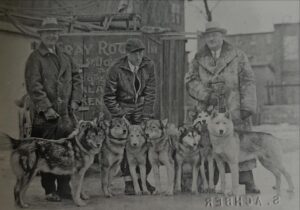
The Siberian Husky arrived in the wider world in the early 20th century. In 1908, fur trader William Goosak brought a team from Siberia to Alaska to compete in the All Alaska Sweepstakes — a gruelling 408-mile dog sled race from Nome to Candle and back. Alaskan mushers initially mocked the small Siberian dogs, calling them “Siberian rats” due to their modest size compared to the larger Malamutes and mixed breeds used locally.
However, the Siberians confounded expectations. Though they finished third in that first race, Scottish-born gold miner John “Iron Man” Johnson recognised their endurance and potential. The following year, in 1910, Johnson entered a team of Siberians and won the Sweepstakes — completing the 408-mile course in a record time that stood for years. After that performance, Siberian Huskies became highly sought-after sled dogs throughout Alaska.
The 1925 Serum Run to Nome
Perhaps the most famous chapter in the Siberian Husky’s history is the 1925 Serum Run to Nome, also known as the “Great Race of Mercy.” In January 1925, a deadly diphtheria outbreak struck the city of Nome, Alaska. With no road access in winter, dog sled was the only way to deliver the life-saving antitoxin — a relay spanning over 674 miles through blizzard conditions and temperatures of minus 50 degrees Celsius.
Twenty mushers and approximately 150 sled dogs completed the relay in just over five days — a feat hailed worldwide as a miracle of endurance and teamwork. Balto, a Siberian Husky owned by legendary musher Leonhard Seppala, led the final leg into Nome. Seppala himself drove the longest and most treacherous portion of the route, with his lead dog Togo — who many historians argue was the true hero of the run. The Serum Run brought the Siberian Husky to international attention and established their reputation as extraordinary working dogs of remarkable courage and loyalty.
Recognition by the American Kennel Club
Following the extraordinary publicity of the Serum Run, interest in the Siberian Husky grew rapidly in the United States. In 1930, the American Kennel Club (AKC) formally recognised the Siberian Husky as a distinct breed. The AKC placed them in the Working Group — a fitting category for dogs that had proven their worth time and again in the harshest conditions on Earth.
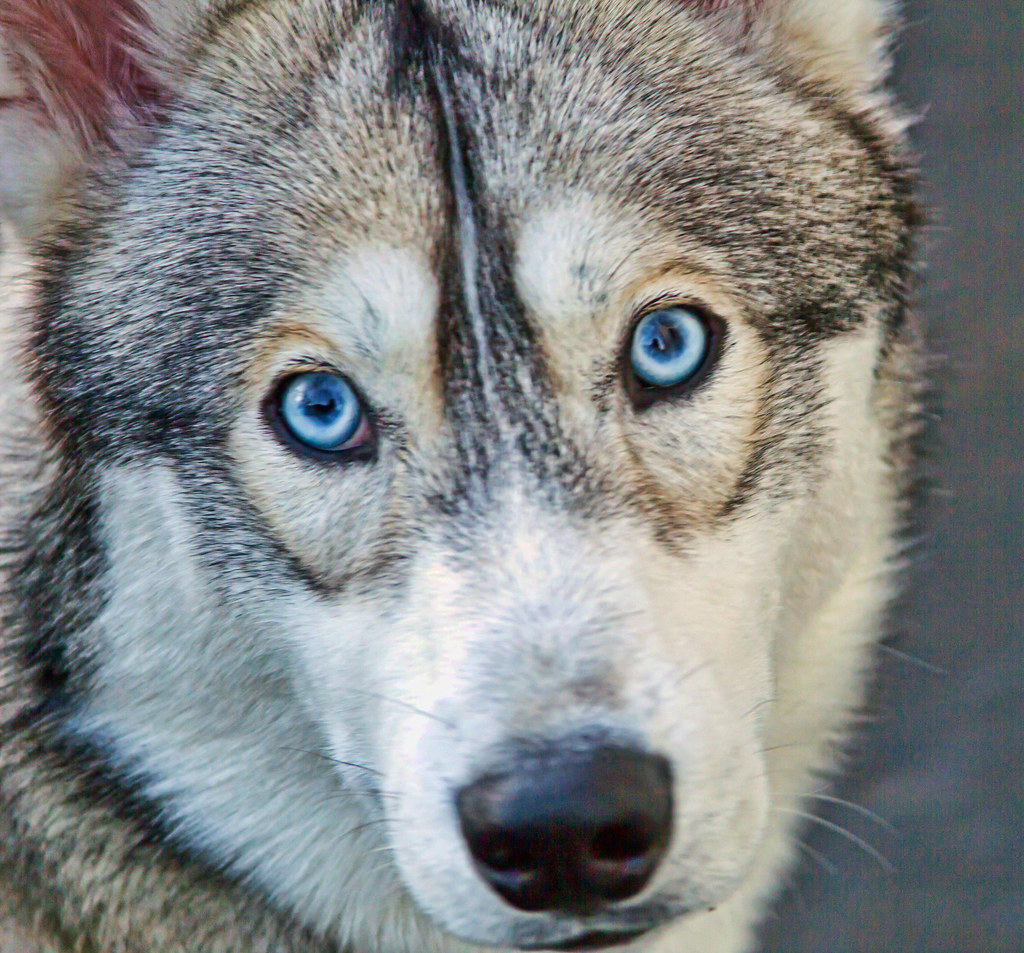
The breed standard describes the Siberian Husky as a medium-sized working sled dog — well-furred, quick and light on its feet, free and graceful in action, with a strongly built, well-muscled body. Above all, the standard emphasised efficiency of movement and endurance — hallmarks of a breed shaped by thousands of years of survival in extreme conditions. Key characteristics include their striking almond-shaped eyes (which can be blue, brown, or one of each), their dense double coat, and their distinctive wolf-like facial markings.
The Siberian Husky Today
Today, the Siberian Husky ranks among the most popular dog breeds in the world — beloved not just for their working ability, but for their stunning appearance and lively, affectionate personalities. While still active in sled dog racing and recreational mushing, most Siberian Huskies now live as companion animals and family pets.
Their adaptability, intelligence, and friendly nature make them wonderful companions. However, their working dog heritage means they need significant exercise, mental stimulation, and firm, consistent training. They are renowned for their love of running — a legacy of ancestors who could cover up to 100 miles per day across the Siberian tundra.
The Siberian Husky remains a breed deeply connected to its history. In every Husky alive today, the spirit of the Chukchi working dog lives on — enduring, resilient, and breathtakingly beautiful.
